Bumble Bees in Trouble
The fate of an entire colony rests on one queen bee that comes out hibernation from a shallow place in the soil in the early spring, so if something happens to the queen, an entire nest will not produce any offspring that summer and no new queens will be born to start new colonies the next spring. That makes a colony pretty vulnerable to human activity.
There are a number of factors causing the decline of nearly one-third of North America's bumble bee species. Habitat loss, the use of pesticides, climate change, competition with honeybees, and diseases that have been accidentally introduced to native bumble bees are some of the issues affecting bumble bees populations.
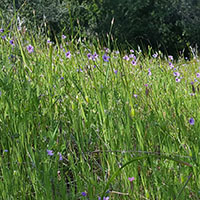
It's not all bad news, though. Ordinary people are beginning to realize how important all of our pollinators are, and we are taking steps to change the outcome. For bumble bees, it isn't very difficult. We just need to remember that bumble bees live among us, peacefully foraging on flowers in our gardens and fields; and nesting and hibernating in places like grassy meadows, stumps, soil, old birdhouses, and leaf piles. We need to give bumble bees undisturbed areas to gather pollen and nectar, and we must leave places where queens can hibernate, as well as build nests to feed and raise the next generation.
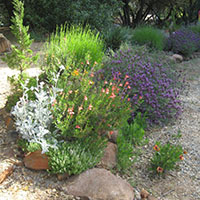
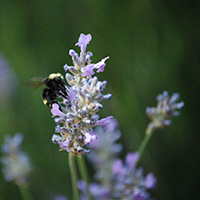
Bumble bees are amazing to watch as they gracefully move from flower to flower in a garden, and if you look closely, you'll disover that there are differences between the species as well as visible differences between the males and females. My fascination with bumble bees started in 2014 when those in my lavender garden suddenly disappeared too early one spring. Since then I have been trying to learn all that I can about them, and I now dedicate most of my gardening efforts to making sure there are always flowers blooming that will help them thrive. I leave overturned pots partially buried in the soil, piles of leaves here and there, and uncut areas of field.
Every spring I look forward to the bumble bees' return, and to expanding my gardens to accomodate them. I have learned that I have three different species bumping along from flower to flower every spring and summer, and one autumn day I was fortunate enough to witness a queen going into hibernation beneath a small rock in one of my gardens.
For so many years I never noticed bumble bees at all, and I knew nothing about how imperiled they are by human activity. But we can change that if we all become more aware of how bumble bees live and what we can do to help them.