Types of Service Dogs
Mobility Service Dogs
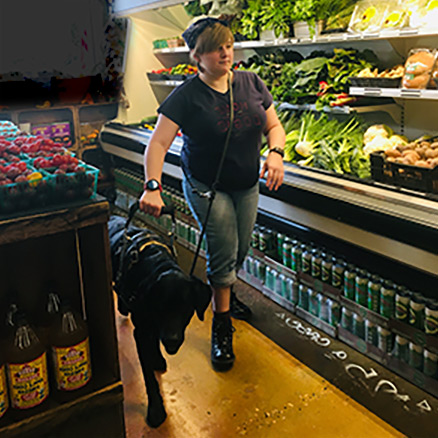
A Mobility Service Dog is trained to assist a physically disabled person who has mobility issues, which may include being wheelchair-dependent. Among other tasks such as providing balance and stability and pulling wheelchairs or carrying and picking up things for persons with mobility impairments, a mobility service dog can be trained to open and close doors, and operate light switches, and can have a major positive impact on the lives of recipients.
Hearing Service Dogs
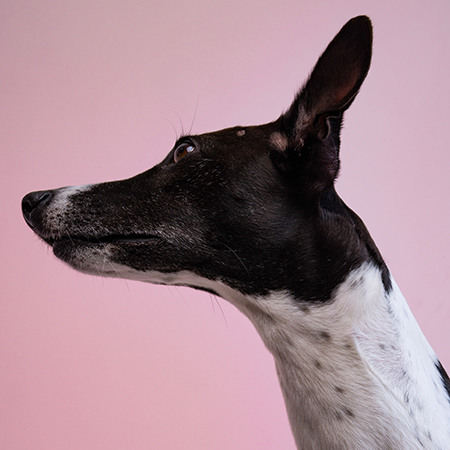
A Hearing Servive Dog is a type of assistance dog specifically selected and trained to assist people who are deaf or hard of hearing by alerting their handler to important sounds, such as doorbells, smoke alarms, ringing telephones, or alarm clocks. They may also work outside the home, alerting their handler to sounds such as sirens, forklifts, and a person calling the handler's name.
Guide Service Dogs
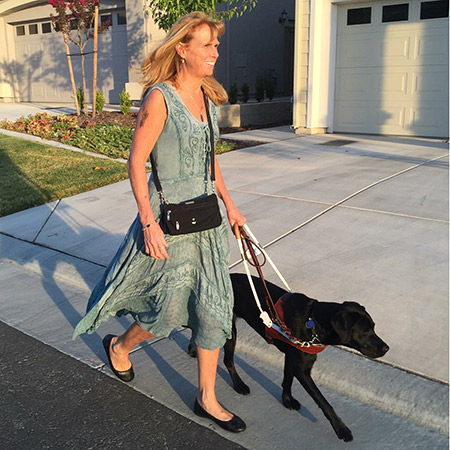
Guide Dogs assist blind and visually impaired people by avoiding obstacles, stopping at curbs and steps, and negotiating traffic. The harness and U-shaped handle fosters communication between the dog and the blind partner. In this partnership, the human’s role is to provide directional commands, while the dog’s role is to insure the team’s safety even if this requires disobeying an unsafe command.
Psychiatric Service Dogs
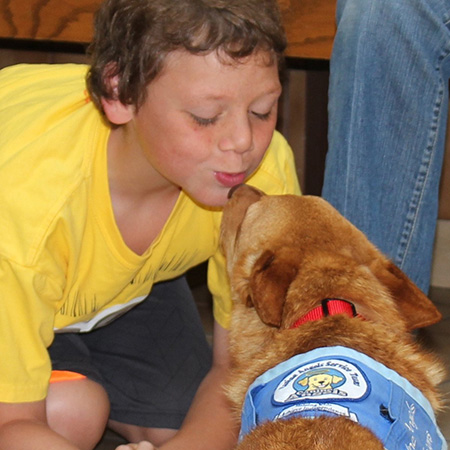
A Psychiatric Service Dog is simply a service dog for a person with a psychiatric impairment. Their function is not to provide emotional support, but to perform tasks which enable their partner to function in ordinary ways the non-disabled take for granted. Tasks may include providing environmental assessment, applying pressure, reminding the handler to take medication, retrieving objects, guiding the handler from stressful situations, or acting as a brace if the handler becomes dizzy.