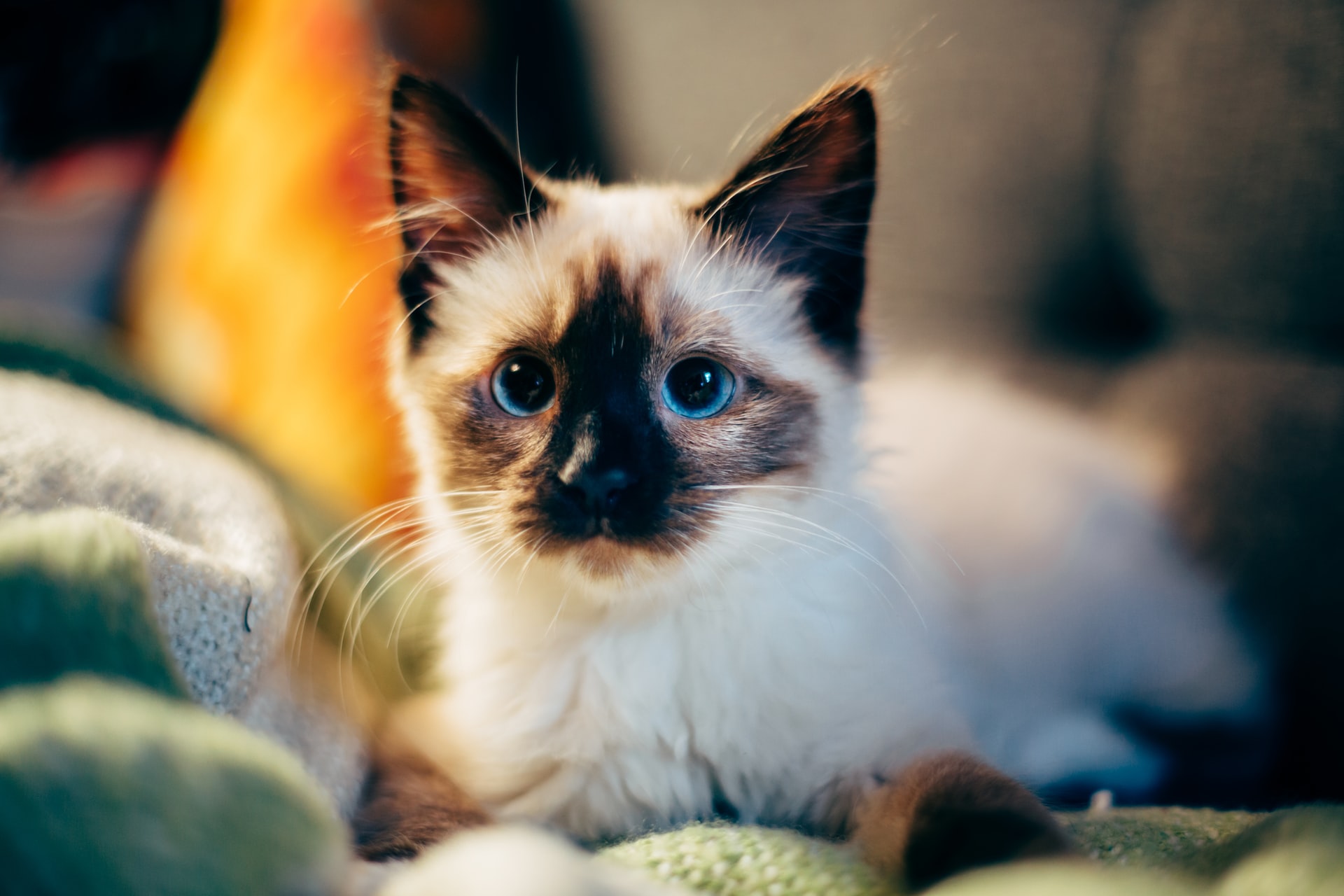
What is Fostering?
Fostering animals is the process of giving them a temporary home. You take care of them until they have to be returned to the shelter or until they are adopted, depending on the rescue you foster them through. There are many types of fosters, from ones that need to be bottle fed to ones that need to grow their trust with people. Our organization focuses on kittens, though we occasionally get adult cats or animals such as puppies and bunnies.

Why It's Important
Foster care provides a safe place for a kitten to stay. It helps get them off of the street and into a home. In some cases, it may save the kitten’s life, as they get the medical attention and food that they would not have access to otherwise.
Fostering is especially important now, during the pandemic. Many shelters and rescues can only allow a certain amount of staff and volunteers into their locations, meaning that many animals may not be getting the attention that they need. Sending them into foster care gives them the care and comfort that they may not be getting during these difficult times.
Types of Fosters
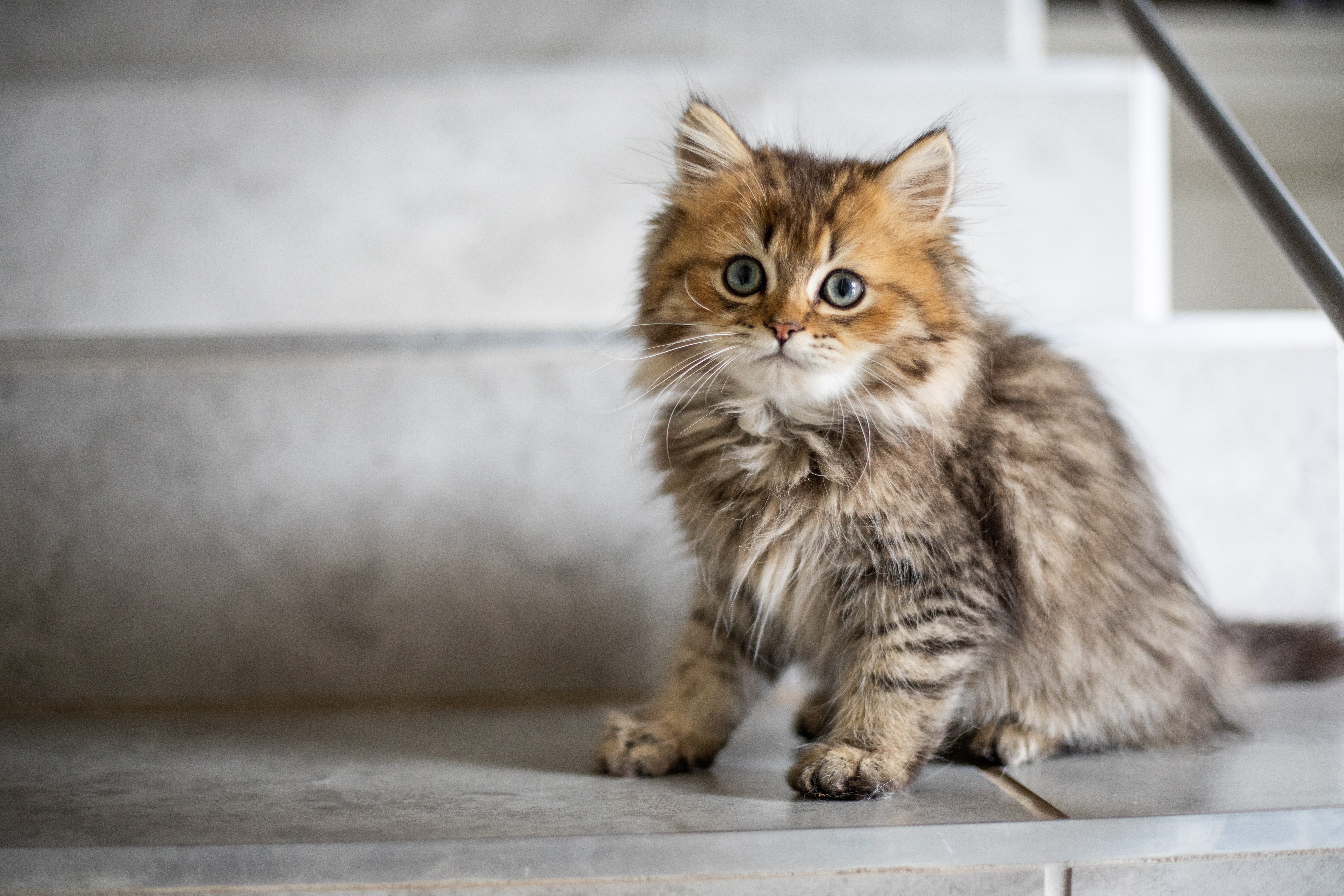
There are multiple types of kittens that may appear in your foster care. Often, you will get ones that need a break from the shelter, or ones that cannot be put up for adoption until they are spayed or neutered. These ones are rather easy to take care of and don’t require any sort of special care. However, there are three main types that need special care: bottle babies, medical care kittens and behavior kittens.
Medical
Medical care fosters need special medicines or care, due to sickness or injuries. Some are put into foster to recover from surgery as well. You may have special instructions depending on what medication or medical issues the kitten has. The shelter will provide you with the proper medications. It's important to keep in contact with the vet department, so they can keep track of your foster's health.
Sometimes cats will not show that they are sick until you start fostering them. It is common for kittens that are found on the street to get sick, and they may not show signs of illness until they feel safe at your home. If you notice any new symptoms of sickness, make sure to contact the vet department.
Bottle Baby
Bottle Babies are kittens that are too young to eat solid food. They need to be bottle fed every few hours, so they come with a strict schedule. Because of this dedication, you need to make sure that you have the time to take care of these types of kittens.
Behavior
Behavior kittens are kittens that are undersocialized, and often very scared of people. They need someone to help them learn that people aren’t so scary by slowly getting used to people. This requires a lot of patience and understanding from the foster caregiver, in order for them to help the kitten become more comfortable with people.
Your Responsibilities
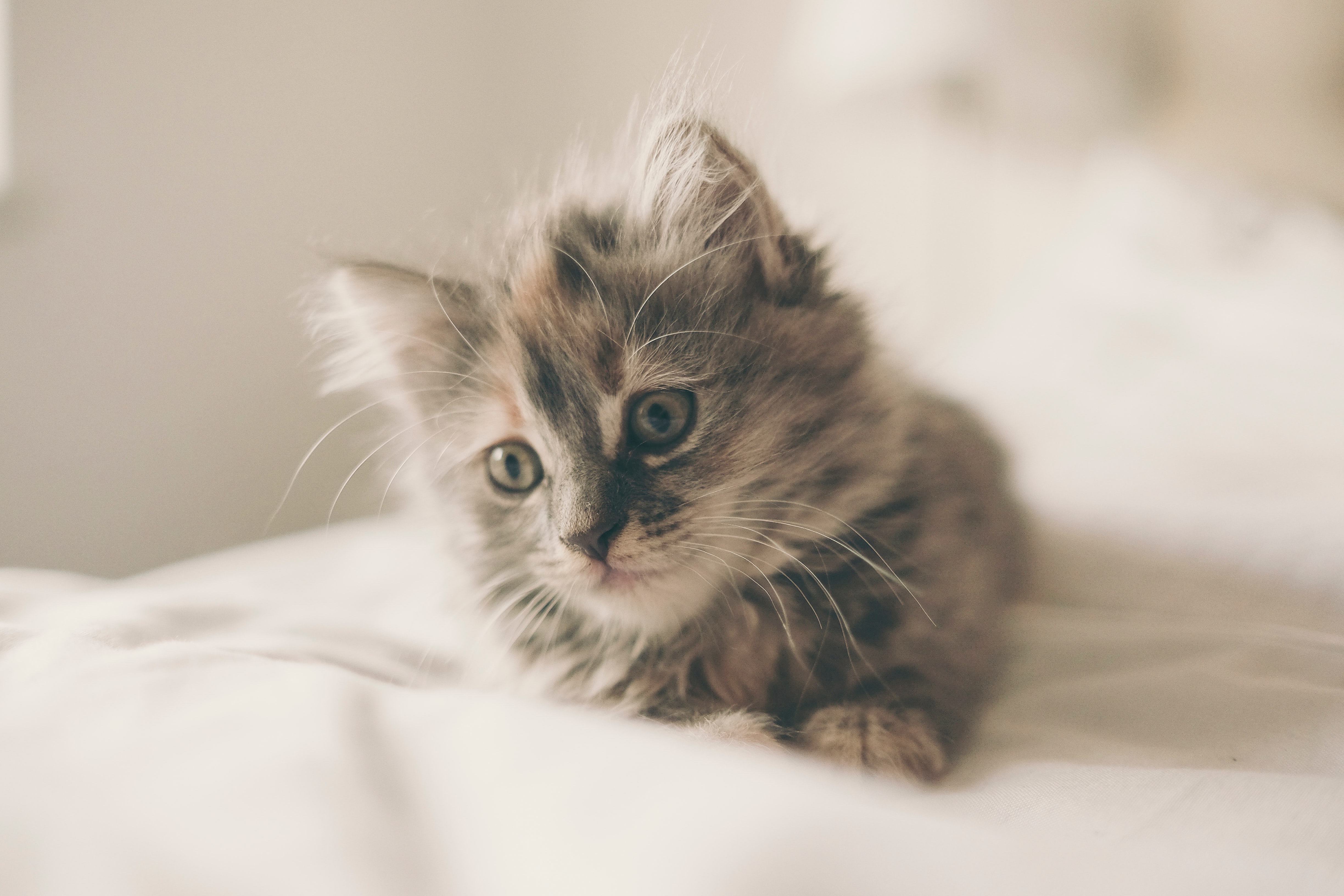
As a foster caregiver, it is your job to take care of the kitten or kittens that you are given. You must feed and water them, and if any medication is required, you give it to them. There are a few different types of fosters that you can take care of, such as bottle babies, who need to be bottle fed every few hours, fosters that need medical care, and fosters that need help getting used to people. Other ones usually have no special needs, though they are in foster care either until they are big enough to be spayed/neutered, until the shelter has more room, or until they find a home.
Where to Start
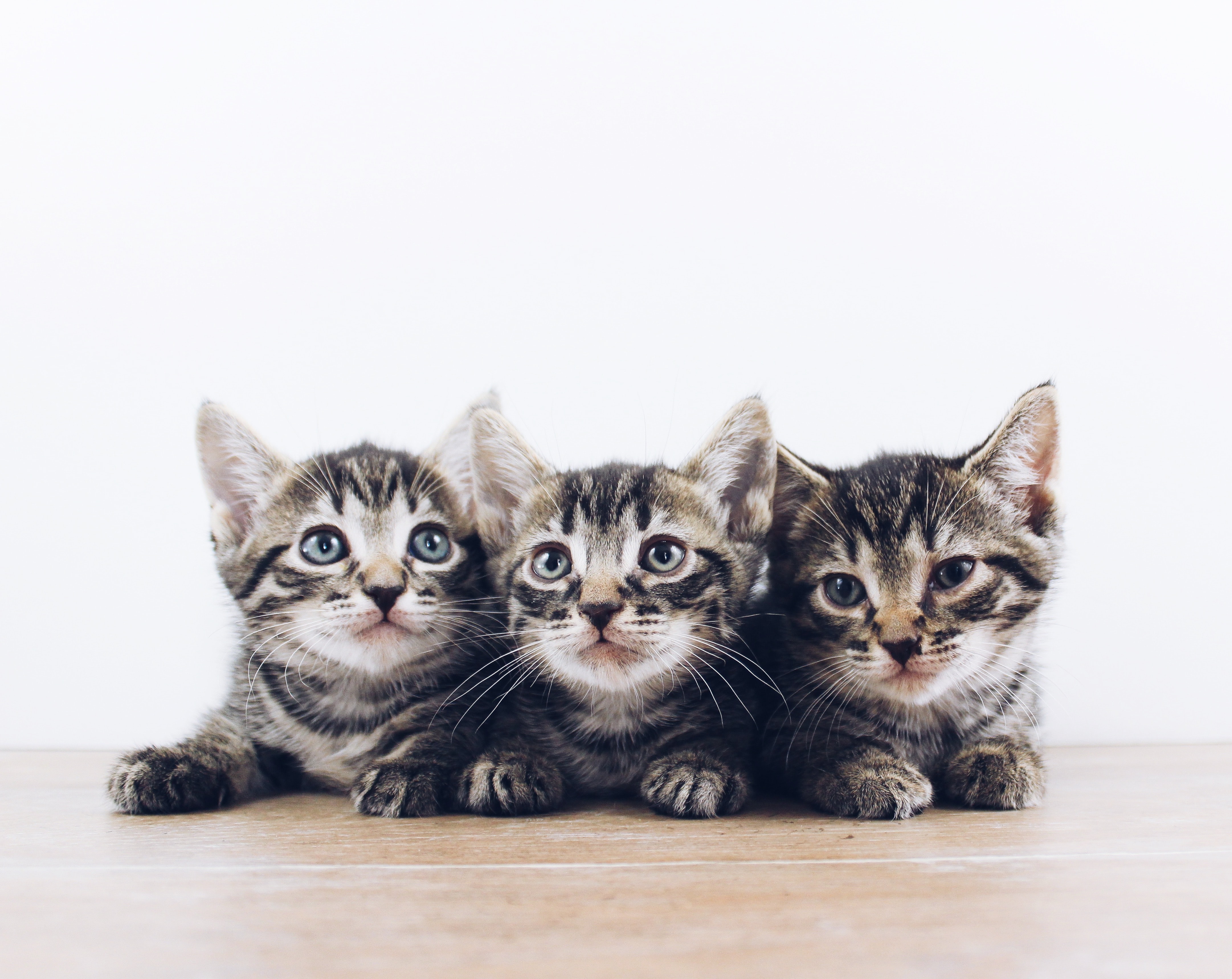
We offer a program that you can foster through. We also provide further educational content to help you learn the specifics of fostering. You can sign up through our website. Once you've created an account, you will have access to more in-depth information about various types of fosters.