
Tutorials
These tutorials will explain everything you need to know about compost, from getting started to using the compost you made for your garden!
Learn about compost
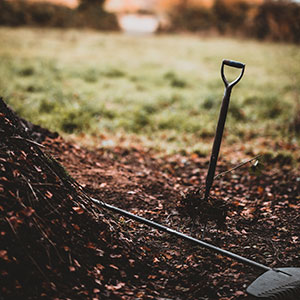
First, what exactly is compost? According to Wikipedia, "Compost is organic matter that has been decomposed in a process called composting." This organic material includes various yard waste like leaves and dead plants, as well as waste from inside the home like coffee grounds, eggshells, newspaper, and cardboard. There are two types of compost, green and brown. Green compost is green, nitrogin rich materials like weeds and grass clippings. Brown compost is brown and rich in carbon, some brown compost materials include dry leaves and carboard. You'll want to have about one fourth of your compost pile green and three fourths brown to keep the chemical balance in check.
Getting started
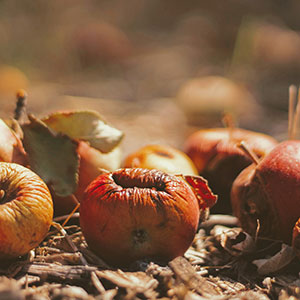
To start your compost pile you'll want to gather the type of materials listed in "Learn about compost." You can either build a compost bin or simply create a compost pile in your yard, either way it should be left outside. You will want to water your compost often as well as keep air flowing through, do this by stirring your compost every other week. The combination of air and moisture will keep your compost chemically balanced and keep the smell under control. "
How to use compost
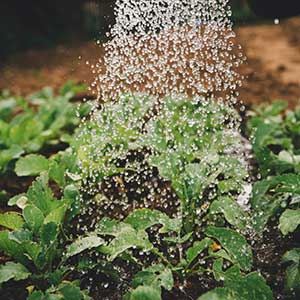
Compost doesn't actually fertilize plants directly, but it's beneficial for the soil and creates a better and healthier environment for plants to grow in. For the best results, use compost and fertilizer together to get the full benefits for your garden. You'll know your compost is ready to be used when it becomes a dark, rich color with no unpleasant smell. There is a limit for how much compost you'll want to add to the soil of your garden. For an outdoor garden, till 1-2 inches of compost on top of the soil. For potted plants, add about 1 inch of compost to the top of the soil.