Draconian Faeries
Draconian Faeries, or Draconians, are a sub-species of the fae with dragon blood in their genetic makeup. Draconians are able to transform into a dragon, or sub-species of dragon, at will. (Note: “Dragon” will be used to refer to all sub-species of dragons, and not necessarily the generic storybook dragon with four limbs, a tail, and wings.) They have the general nature of faeries, as well as the tendencies of dragons, such as a boastful/prideful nature, an obsession to hoard objects they deem valuable, and aggression towards other dragon species.
Appearance
Draconian Faeries that can transform into true dragons (a generic storybook dragon with four limbs, a tail, and massive wings) are rare, fleeting, and known as Pure-Blooded Draconians. They are often hunted for their dragon form since dragonhide is incredibly valuable, as well as their bones, blood, scales, and teeth.
Other types of dragons include:
- Wyverns (two hind limbs and two wings)
- Amphitheres (no hind limbs and two wings)
- Wyrms or Wurms (no limbs and no wings)
- Lindwurms or Lindwyrms (two forelimbs, no wings, and no legs)
- Lung dragons or Longs (long body, four limbs, and no wings)
- Drakes (generic dragon with no wings)
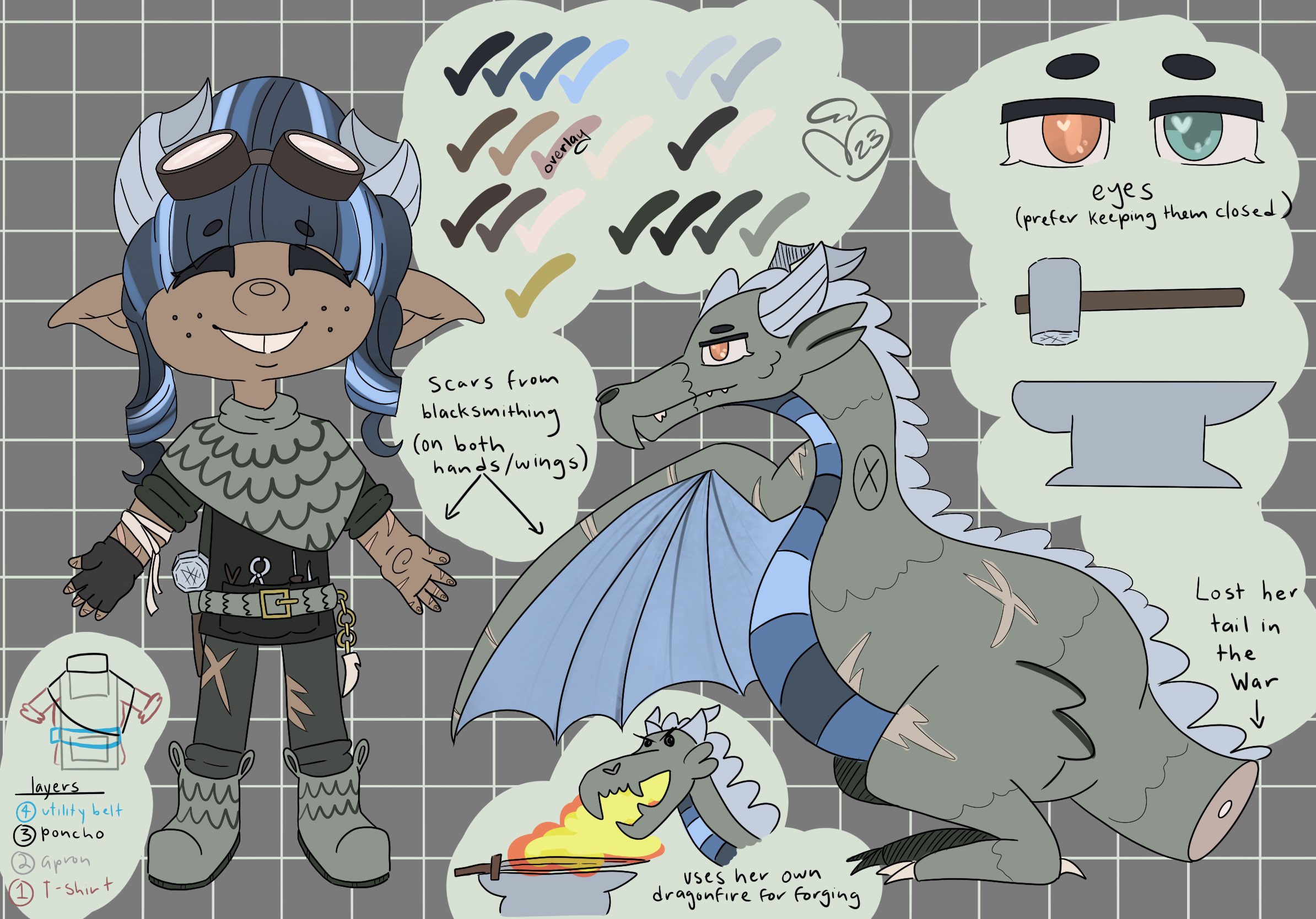
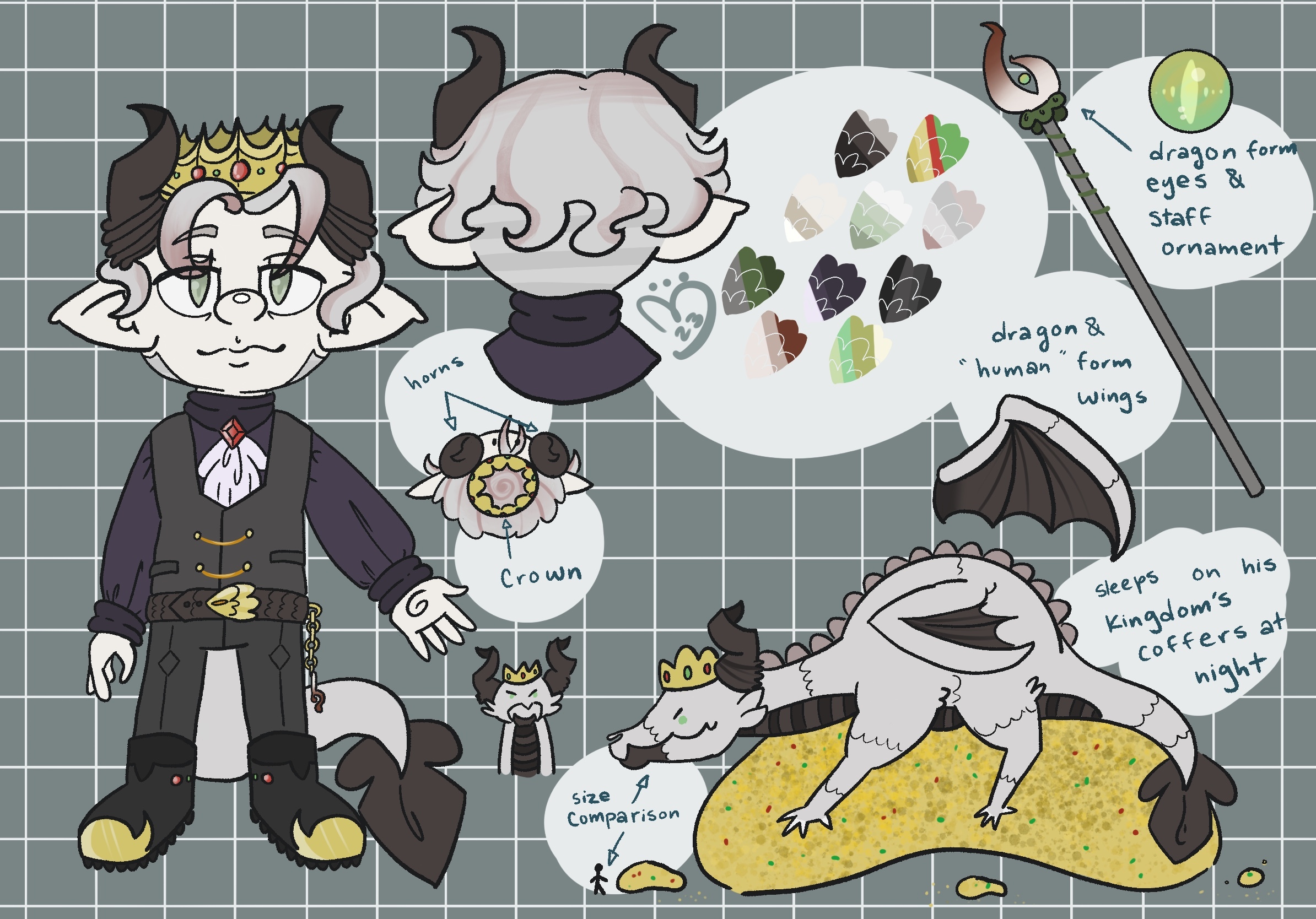
Draconian Faeries have two forms: their "human" form and their dragon form. The relation between their human form and dragon form usually consists of a similar color palette. However, they do not need to be related, especially if a Draconian is trying to hide their true nature. In their human form, Draconians may have wings, tails, horns, or scales. Since they are also fae, they can use glamour to hide these extremities. If a Draconian sustains injury or damage to one of their dragon extremities, they make be unable to apply glamour or transform between forms correctly. This is especially true if the damaged extremity is a source of power, such as horns, scales, or wings. If a Draconian Faerie is unable to fly in their dragon form, they are also unable to fly in their human form. A Draconian's wings are the same for their dragon and human form, even if the dragon form does not have forelimbs. (A humanized Draconian would fly with winged arms, much like a bat, should they choose to do so.)
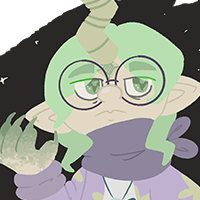
Due to any injury sustained to his horn, Alyster is unable to properly transform his right hand.
A Draconian Fae's human form and dragon form may differ in size greatly. In their human form, they are usually average size, in relation to mortals and faeries. They are not able to change their size naturally, but they may do so with whatever magic/power they possess (if they possess it). For some Draconians, their human size may be smaller or larger than their dragon size. During their transformation, human clothing and accessories are preserved in the aether (the realm between the physical and metaphysical world). Like fae, a Draconian's source of power is the elements, but they may also derive power from other power sources, such as other dragons, fae, magicians, etc. Due to this, Draconians may seem far more powerful than their non-Draconian counterparts. A Draconian's ability to absorb power is based on their knowledge to do so, family lineage, natural ability, and will to do so.
Namesakes
All Draconian Fae possess two names. Their "true" name, or their dragon name, is given to them on the eve of their second year. Their "public", or "Faerie" name, is decided by the individual Draconian whenever it is convenient. Draconians will often choose a substitute name until their "true" name is spoken to them by the sages. They will then choose a "Faerie" name that is somewhat similar to their "true" name.
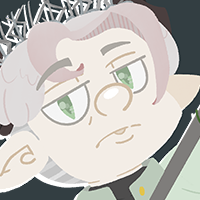
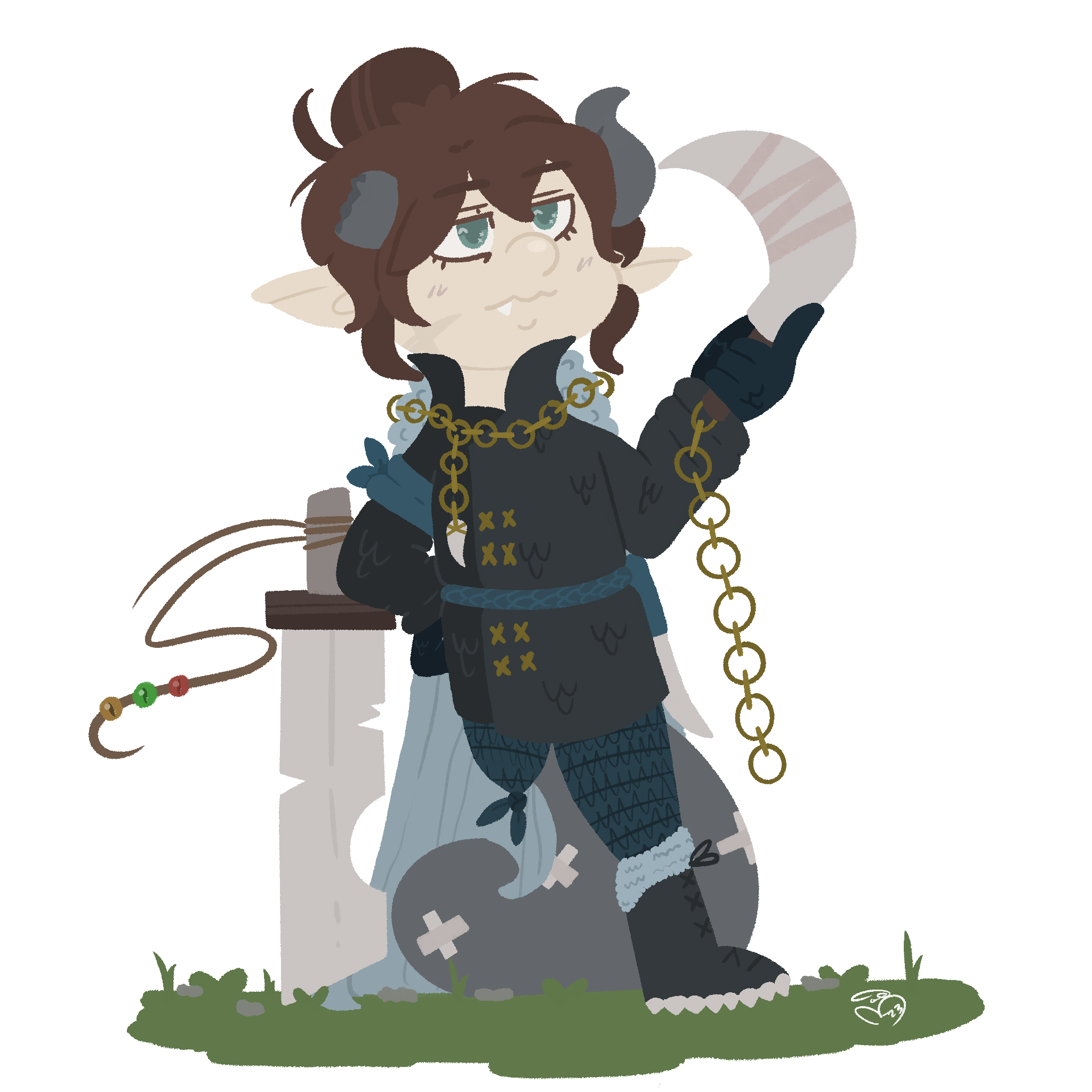
Draconia's king is known as Eli Dragonbane. His true name is ********** the True Mage.
Like all names, true names hold power over a Draconian. It is often told to only the closest members of a Draconian’s heart. True names should never be spoken in public or in crowds, for calling a Draconian by their true name calls the attention of the beast within. Stating the true name of a Draconian three times before them will force the Draconian into their dragon form. Though, the buffoon to do so should know it will likely be the last thing they do, as a forced transformation is often unbridled and savage.
A "true" name is composed of two parts. The name itself and the destiny of the Draconian. For example, Draconian royals often have destinies such as "the Great", "the Wise", "the Powerful", or "the King". Other generic titles include "the Savage", "the Fool", "the Thief", "the Meek", "the Caring", and "the Sage".
A "public" name is composed of two parts as well. A first name and a family name. Both can be changed by the Draconian at any time.
Habitat and Community
Draconian Faeries prefer living amongst other Draconians of similar species or true dragons. (Note: True dragons refer to dragon-born dragons, ones that cannot turn into humans.)
Draconians and true dragons prefer the following habitats:
- Dragons: Hot and dry or hot and wet environments with lots of foliage and large game for hunting.
- Wyverns: Hot and dry environments with some foliage but much game for hunting.
- Amphitheres: Cold and dry or warm and dry environments with trees or foliage for hiding.
- Wyrms: Warm and wet environments, preferably with trees or foliage for climbing and hiding.
- Lindwurms: Cold and wet or warm and wet environments, preferably with stones or foliage for climbing and building.
- Lung Dragons: Cold and wet environments, preferably with stones or rocks for building and hiding.
- Drakes: Warm and wet environments with lots of shade and ground-bound foliage, forageables, and medium to large game for hunting.
Draconians who prefer certain environments are more willing to tolerate each other since Draconian habitats are often smaller due to isolation. Draconians do not see true dragons as their equals, but they respect them nonetheless. They are able to communicate with true dragons and will sometimes aid true dragons in return for favors, secrets, or gifts. Larger true dragons, such as dragons and wyverns, may act hostile towards Draconians and are often left alone by Draconians to avoid conflict. True dragons and wyverns may not hesitate to kill Draconians if they are provoked or angered in any way. Pure-blooded Draconians are often the only Draconians able to communicate with all true dragons.
Draconians are fearful of other faeries and mortals. They hold resentment towards the hunting of their people, and will often avoid other faeries and mortals at all costs. However, Draconians may create alliances with other faeries and mortals for the benefit of their own people, means, or motives. When blending into regular faerie or mortal life, Draconians often try to hide their non-human natures through speech and glamour, however, they are often very bad at it. Draconians are bad at social cues, due to inexperience with regular folk. They excel at bargaining and persuading, due to their mysterious nature.
Culture and Family
The Draconian family structure works much like its dragon counterparts. Draconian parents create offspring to further their genealogical line, therefore the love between parent and offspring is often non-existent. Draconian parents see their offspring as equals and brothers-in-arms. Draconian children are often expected to be self-sustaining after the eve of their second year; this is the same period in which a Draconian is given their "true" name. Draconians mature differently than their faerie or mortal counterparts, which makes this upbringing logical. Faeries and mortals often see Draconians as cold and uncaring, especially regarding their offspring. Unruly offspring may be disowned or banished from a community if they can't contribute to the community in some way.
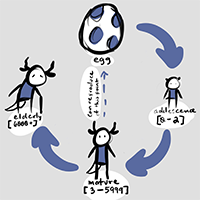
The average lifecycle of a Draconian Faerie.
Draconian Faeries are able to produce offspring with other Draconian Faeries, regular faeries, mortals, and true dragons (so long as the Draconian is in their dragon form). Some Draconians are able to produce asexually. The type of dragon a Draconian becomes is passed on through the more dominant dragon, regardless of gender. If a Draconian and a true dragon reproduce, the offspring will have the dragon-type of the true dragon, regardless. Pure-blooded Draconians can only be created with two dragon-typed Draconians, a dragon-typed Draconian and a pure dragon, or asexually.
Draconian Faeries come from eggs.
Nature and the Elements
The relationship between Draconians and nature is vital to the Draconian’s power and well-being. Nature exists as a force, and Draconian Faes are taught to respect nature so they can wield her power. Most Draconians can only wield one specific natural element, and they are often drawn to this element at birth. Some Draconians are able to wield the power of two elements at a time, usually if they are closely related, such as water and ice.
Draconians are often drawn to the following natural elements: fire, water, earth, air or wind, electricity or lightning, ice or snow, natural metal, flora or fauna, and stone.
Powerful Draconians are able to manipulate more obscure elements, such as time, space, perspective, knowledge, thoughts, and other individuals. The time, talent, and ability to manipulate these elements are incredibly rare, and few dare to do so out of fear of losing their minds.
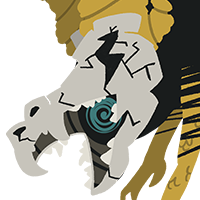
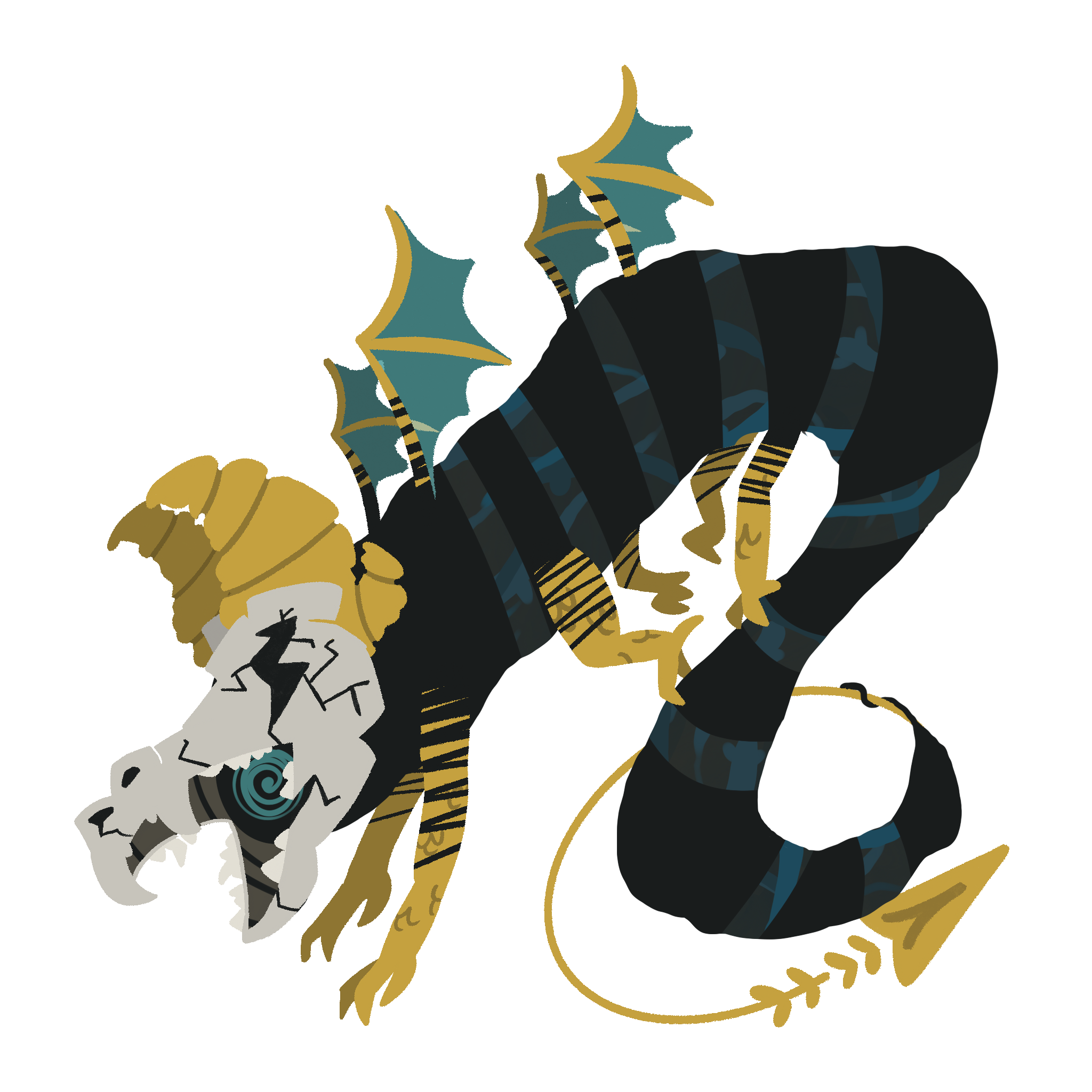
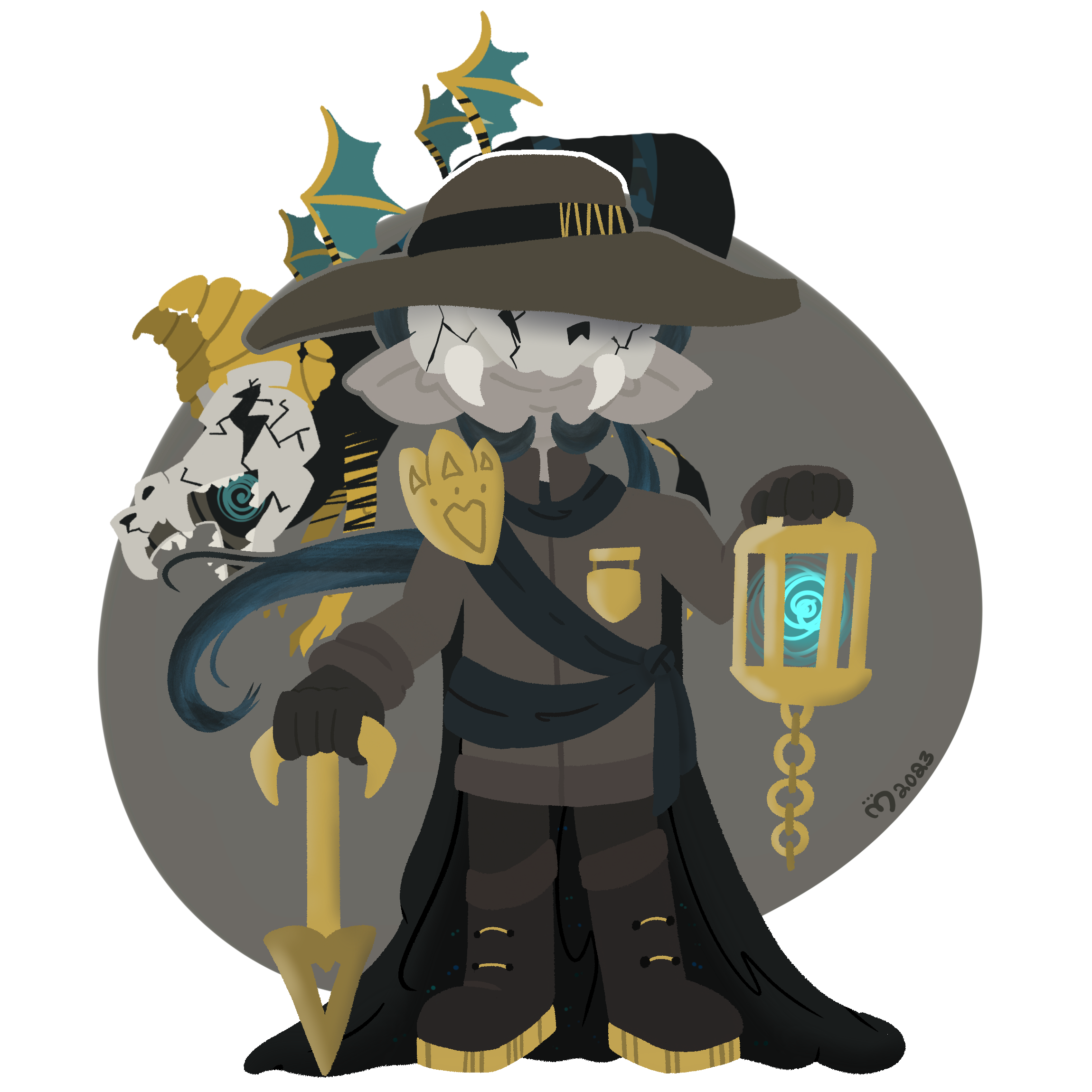
Az (pronounced: as) is a Chaos Dragon who enjoys consuming the souls of humans and keeping them trapped within his dragon form.
To keep their relationship with nature and their respective elements, Draconians will pay fealty to nature or deities that represent the elements. Offerings may include food, gold, prayers, wishes, acts of service, and handmade gifts. A Draconian’s power grows stronger when their relationship with nature is good and mutual. It is rumored that the best relationship between a Draconian and nature will lead to deityhood and complete control over an element.
If a Draconian is unable to keep a good relationship with nature or their respective element, then they will lose the ability to control them. They will often become a pariah of society because darkness and misfortune will follow them. If nature rejects a Draconian completely, they will be unable to call upon nature and the elements at all. At that point, if a Draconian wishes to use magic, they will be forced to siphon the power and life force from another living creature who is still in line with nature. These Draconians are known as Chaos Dragons, and they are often called demons instead of dragons. Like the Fae, Chaos Dragons can be wared away with iron, red berries, chains of daisies, and protective charms.
Chaos Dragons will slowly deteriorate the longer they exist as if nature is trying to take back what does not belong to them. They usually obtain power by making deals with humans, since they are often foolish enough to do so. Humans will often trade their soul, life, or life force in exchange for a wish being granted. However, the contract varies between Chaos Dragons and humans.
Gallery
(Click images of open them in a new tab.)