History
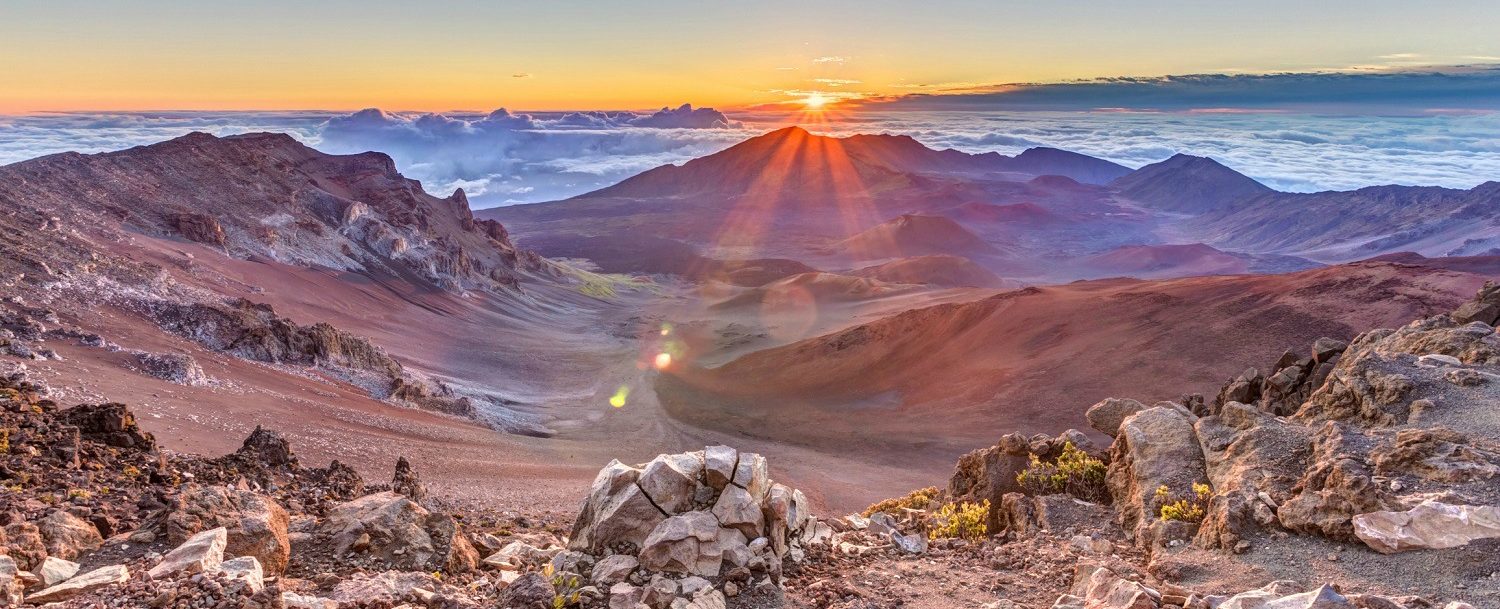
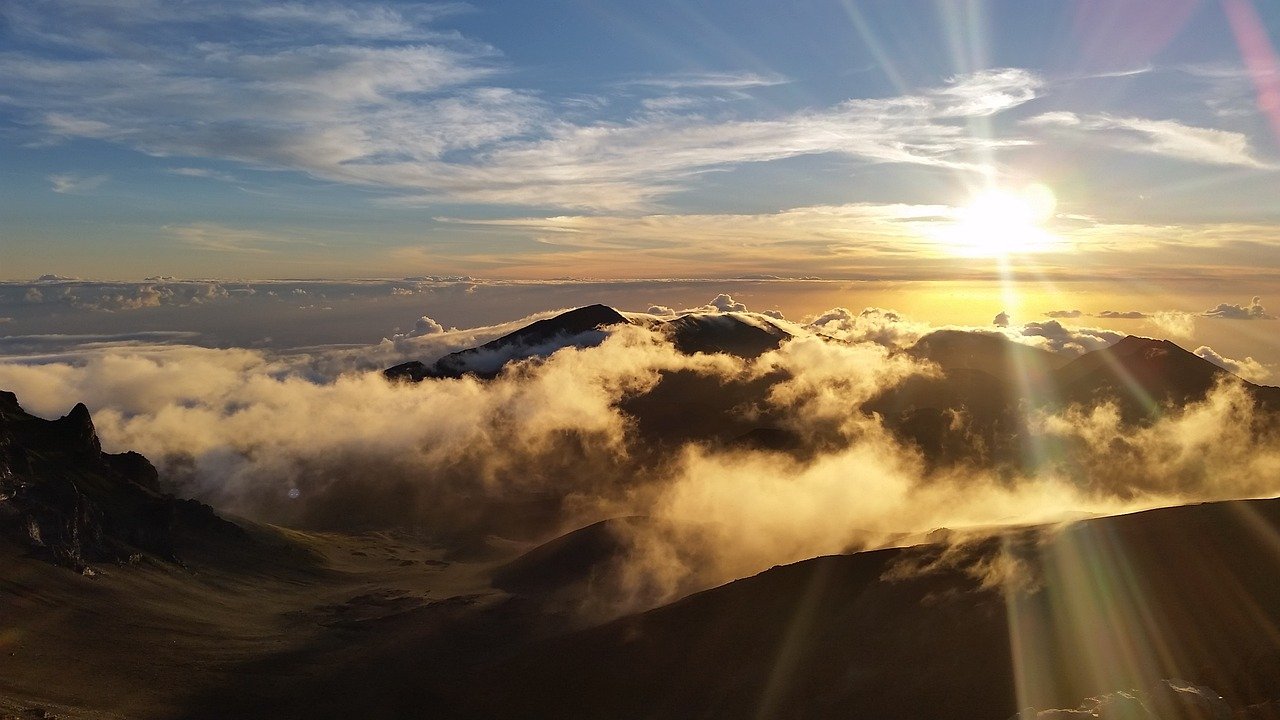
The history of the Haleakala volcano starts with its rise from the ocean approximately 1 million years ago. Successive lava flows continuously built up the land. As the height increased the mountain began to create its own weather from the moisture laden sea breezes and trade winds. Gulches and valleys were formed by erosion from the rains captured by the mountain slopes. By the time the first wave of polynesian settlers arrived between 400 and 600 A.D. the landscape of the mountain was sparse with shrublands and cinder plains above the upland forests.The first polynesian settlers surely declared it sacred, as was common with large mountains in ancient times. In the Hawaiian language Haleakala means “House of the Sun” and legend tells of the demi-god Maui (a powerful and super-natural god known throughout polynesia) who lassoed the sun to slow its progress across the sky. This enabled his mother (and consequently the Hawaiian people) to live more comfortably on the land.